

Every round I used to play, the bottom of my bag was working against me in two quiet ways. I had one wedge loft I actually trusted and two I carried out of pure habit. My gap wedge did most of the work, the sand wedge only came out from a bunker, and the 60 degree club sat in the bag for weeks at a time because every full swing sent it flying off to the right or straight over the green. My short game ran on guesswork, and the card showed it.
Then, before this season, I did the thing I should have done years earlier. I stopped mixing odd wedges from three different sets and put a matched trio in the bag: the Ram Pro Spin three-wedge set, 52 degrees, 56 degrees, and 60 degrees. Two full seasons and a couple hundred practice balls later, I can tell you exactly where the savings showed up on my scorecard and where the budget actually shows in the build. Ram does not get the buzz of the premium brands, but the wedges have earned a spot in my bag.
The Quick Verdict
A matched 52-56-60 set that fixes your gapping and grabs the green for a fraction of what a single premium wedge costs. The feel is a little clickier than forged, but for a mid-handicap weekend golfer this is almost unfair value.
Amazon Check Today's Price →Three Wedges That Fixed the Bottom of My Bag
I have carried the Ram Pro Spin set through two seasons. If you are tired of gapping guesswork and overpriced single wedges, check the current price on Amazon and see for yourself.
Amazon Check Today's Price on Amazon →How I've Used It
I want to be honest about how this got tested, because most golf reviews read like a press release written the day the box arrives. This one is different. I put the Ram Pro Spin wedges in the bag the first week of the season and I did not take them out until the course closed in the fall. That is somewhere around forty rounds on my home track plus a stack of practice nights in the backyard, and then I ran the same routine a second season because the first one was not a fluke.
My setup is not special. I am a mid-handicap recreational golfer in my late forties, I play a couple times a week, and I let Sunday football run late the way the whole point of Sunday football is supposed to work. I wanted wedges that a normal player can actually hit, not equipment that only rewards a tour-level strike. Late in the first season I also borrowed a single premium wedge, the kind of club that costs more on its own than all three of these wedges combined, and took both to the range together to remove the guesswork from the comparison.
That is the battery this article is built on. Two seasons, real scores, real wear, and a head-to-head against the expensive club everyone tells you to buy. If that sounds like a fair test, keep reading, because the result surprised me.

What the Grooves Actually Do
Spin is the most overused word in wedge marketing, so let me be specific about what I saw instead of what a box promises. On a damp spring green, from about 60 yards out, my old gap wedge would release forward a couple of feet past the pitch mark. The Ram 52, with the same swing and the same ball, pulled up noticeably shorter and sat closer to where it landed. That is the difference between leaving yourself an uphill putt and that same putt being downhill, and over a season it is the difference between pars and bogeys.
The backspinning shots came because the face is milled to grip the ball when it is hit crisply. I am not claiming these wedges bite like a brand-new high-end tour grind, because that would be a lie. But for balls I struck cleanly, the Ram Pro Spin wedges stopped on greens a premium set would be proud of. The fade and low-check shot, the one that lands softly and sits, became something I could actually back to instead of a happy accident.
What mattered more to me than raw spin was that it was predictable. Every wedge in the set produced a similar response off a good strike, so my hands learned one move and repeated it across three clubs instead of re-learning feel with every loop. On the firm fast greens in the middle of July, I could trust the flight and the check from a comfortable position I no longer had to think through, which is all a mid-handicap golfer really asks of a wedge on a normal round.
The Gapping, and Why the 60 Stopped Scaring Me
Before the set, my lofts at the bottom of the bag were a mess. A pitching wedge that came through at around 44 degrees, then a gap wedge that could wander between 105 and 95 yards depending on which half-swing showed up that day, then a sand wedge that overlapped it. When the Ram set showed up with clean numbers, 52, 56, and 60, the spacing finally made sense. These gaps fit the way a recreational player actually thinks: pick the yardage, pick the loft, make a normal swing.
The 52 became my 95 to 100 yard club, the 56 handled the 75 to 90 range and the bunkers, and the 60 owned everything inside about 40 yards. For the first time I stopped standing over the ball wondering which club was the right one and started just swinging. That sounds small until it is what your whole short game runs on.
The biggest surprise was the 60 degree lob wedge, the club I had been too proud to admit I could not hit. It still punishes a full effort, and it is honest about the fact that you should not be swinging it at 100 percent anyway. But from inside the scoring distance, from the fringe and the rough and the tight lie just off the green, it became the most reliable club in my bag. The loft does the lifting, so you do not have to manufacture a flop that a budget wedge is not built for.
Here is a concrete number from a match in early August, one of those rounds that actually mattered. On the ninth my approach leaked into the left rough with about 35 yards left and a tight carry over a bunker to a pin tucked front-right. Two seasons ago that was a flop shot I would have bladed. That afternoon I took the 60, played it back early, and watched the ball land a foot past the flag and sit. Up and down for a par that used to be a double. It is the whole reason I preach a matched wedge set over a single do-it-all club.
The single best golf purchase I have made in two seasons was buying three budget wedges I had been too proud to consider.
Wear and Tear After Two Seasons
When I was done with the second season, I checked the clubs the way you should check something after sixty rounds. I ran a fingernail across the grooves, held the faces up to a flashlight, and looked closely at the soles and the grips. The grooves were still sharp enough to catch, with no ragged edges and no chrome flaking off the face. The grips held up far better than I expected at this end of the wedge market.
The one place the budget shows is the finish. The face of each wedge shows honest wear around the sweet spot faster than a premium model would, little scuffs that a forged club shrugs off a little longer. It is purely cosmetic, and it has not cost me a single yard or a single rotation of spin. But if you are the type who wants your wedges to look new past the first cart-path ding, you should know the Ram set is going to show its miles. I am fine with that, it means I was actually playing golf.
I should also say the soles held up. I skimmed a fair few shots off hardpan and cart-path edges, the kind of mushy contact that eats the leading edge on a softer club, and the leading edge treated it like it was expected. No chips, no loose plating, nothing that changes how any of the three performs. Whatever they did to the face and sole has held through more abuse than I planned on giving it.
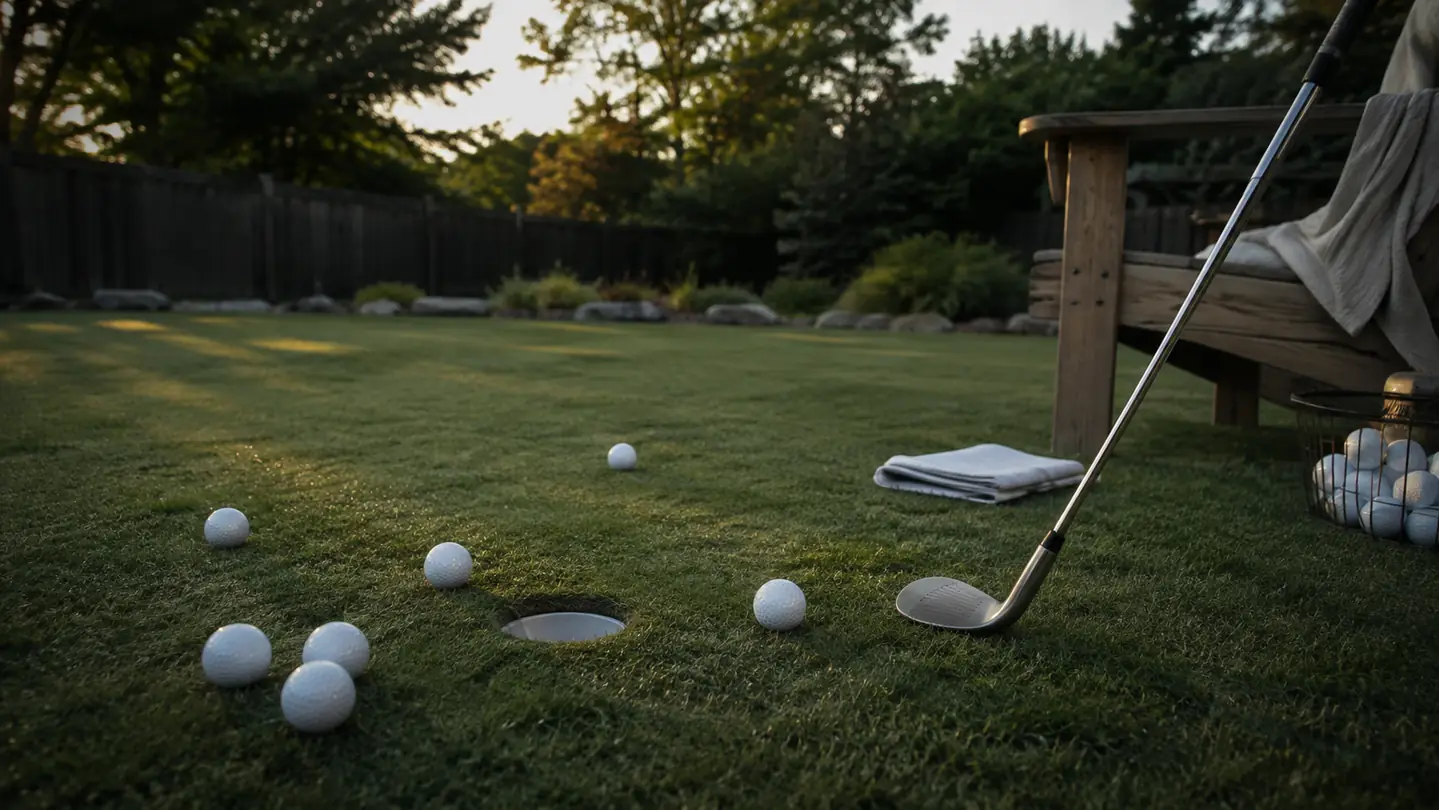
The Tradeoffs, Honestly
Now the side nobody wants to read, where the money shows. On a full swing the 52 has a heavier, slightly clickier sound than a soft forged wedge, and you will never mistake it for that. The feel is workmanlike, reliable, but it is not the buttery touch of a club three times the price. If feel on a full 52 is the whole reason you own a wedge, this set is not aimed at you.
There is also no custom fitting on tap. You get the standard shaft and the standard grip, and if your swing wants something firmer or lighter, you are on your own. For an everyday recreational player that is a non-issue. For a single-digit handicapper who can feel half a flex of difference, it is a real limitation. My honest position after two seasons is that for a mid-handicap weekend golfer, these tradeoffs cost you nothing on the course and the savings buy you weeks of range balls.
What I Liked
- Matched 52-56-60 lofts that actually fix your gapping
- Grooves grab the green harder than you would expect at this price
- Three clubs for a fraction of what one premium wedge costs
- Consistent feel across all three so your hands learn one move
- Grips and groove edges held up through two full seasons
Where It Falls Short
- Clickier, heavier feel on full swings than a forged wedge
- Face finish shows honest wear faster than a premium model
- No custom shaft or flex options if you need them
- The 60 still punishes a full swing, like any lob wedge
What Else I Tried
I did not review the Ram Pro Spin wedges in a vacuum. I spent the back half of the first season comparing them against a single premium wedge, the kind of top-shelf club four times the price, and I have written up the head-to-head in a separate piece. The short version is that I could feel a difference, and then I had to decide whether that difference was worth the money to a golfer who loses three balls a round off the tee. The premium wedge felt softer and stopped a touch quicker, and it cost more on its own than the entire matched set.
I have also carried a grab bag of mismatched wedges from three different sets, which is where most of my bad short-game habits came from. The biggest single upgrade I made this season was not buying anything expensive. It was just replacing the mismatched clubs with a matched trio and letting the shop golf my swing again. The right next step if you are weighing the same decision is the full comparison, because the answer depends on whether you are the golfer I am.
Who This Is For
Buy the Ram Pro Spin wedge set if you are a mid-handicap recreational golfer who plays a couple times a week, lives on the short game, and does not have a country-club budget for the bottom of the bag. If your wedge mixes are a mess, if your 60 scares you, or if you are tired of paying the price of one premium club for something you chunk half the time, this is a matched answer. It will give you reliable greenside spin, sensible gapping, and enough saved money to fund your weekend routine for a month.
Who Should Skip It
Pass on it if feel on a full club is the entire point of your wedge game. A single-digit handicapper who lives on precise distance control from 110 yards, or a player chasing a soft forged touch and a custom grind, will feel the click and the lack of fitting options and be frustrated within a week. This is not a tour-level tool pretending to be one. It is a smart buy for the rest of us, and the honest move is to admit the difference and buy for where your game actually is.
Give Three Budget Wedges the Same Shot I Did
Two seasons with the Ram Pro Spin set and they are still in my bag. If your short game is running on guesswork, this is the cheap fix that holds up. See the current price on Amazon.
Amazon Check Today's Price on Amazon →